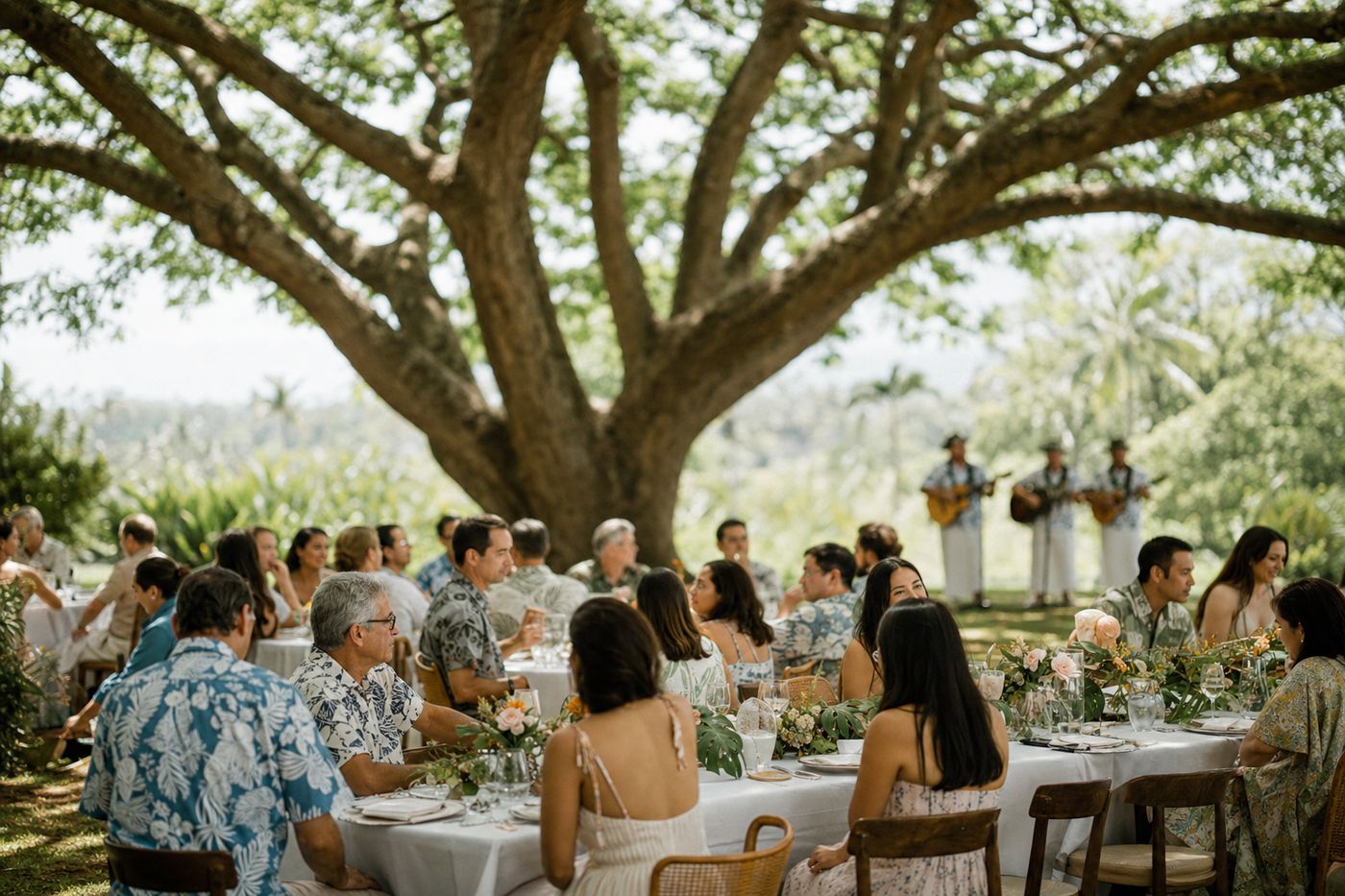
An incentive trip has one job: making the people who earned it feel that the company truly noticed. That is a different job from a conference or a working retreat, and it fails differently, too. Nobody files a complaint about a mediocre incentive trip. Qualifiers come home, say it was nice, and stop mentioning it by the next quarter. The trips that work, the ones people still bring up years later, come down to a handful of decisions made early: what shape the program takes, how the days are paced, which island carries it, and who is accountable for the whole. Hawaii rewards those decisions more generously than almost anywhere a US company can send a plane without passports. Here is how to make them well.
Why Does Hawaii Work So Well for Incentive Travel?
Hawaii delivers the two things an incentive destination must hold at once: unmistakable reward status and low friction for the traveler. It reads as a once-in-a-career trip the moment it is announced, yet for US teams it means no passports, no visas, no currency exchange, and no language barrier. Very few destinations hold both ends of that equation.
The announcement matters more than most programs admit. An incentive destination has to motivate in February, when the trip is still a name on a slide, not just deliver in October when the winners finally land. Hawaii does that work on its own. Nobody needs the destination explained, and nobody quietly hopes they will not qualify.
The practical side holds up just as well. Nonstop flights connect Honolulu and the neighbor islands to many mainland cities, so a qualifier from Dallas or Denver is not spending a full day of the reward in transit lounges. The resort infrastructure was built with groups in mind. And partners and spouses genuinely want to come, which matters more than it sounds: a trip a spouse is excited about gets talked about at home all year, and that conversation is part of the incentive.
What Shape Should the Program Take?
Most Hawaii incentive programs take one of two shapes: a full-group awards trip that celebrates a broad tier of qualifiers, or a smaller president’s club reserved for the top performers and their partners. The right shape follows from what the trip is meant to say, not from headcount alone.
A group awards trip says the year was won together. It usually works best from a single resort base, with the energy of the crowd as part of the reward: a welcome night that feels like a celebration, activity menus broad enough for every temperament, and one produced awards evening at the center. A president’s club says something quieter and more personal. The group is small, the touch per person is higher, dinners are private, and executives attend as hosts rather than presenters. Exclusivity is the point, and every detail should confirm it, from the room category to the way the invitations are worded.
Whatever the shape, the program earns its keep long before departure. Announce the destination early, keep qualification criteria simple enough to recite from memory, and let the trip surface throughout the year: in kickoffs, in pipeline reviews, in the language managers use. An incentive that goes silent between announcement and departure leaves most of its value unclaimed.
What Makes a Trip Feel Like a Reward Instead of an Agenda?
Choice, unscheduled time, and a single formal peak. The moment a printed schedule starts to resemble a conference agenda, the trip stops feeling like a reward and starts feeling like work relocated somewhere warmer.
In practice, that means at most one anchored moment per day, with everything else offered rather than assigned. Excursions belong on a menu: a catamaran sail, a guided hike, a spa morning, a round of golf, and the fully honorable option of doing nothing at the pool. Partners are guests in their own right, invited by name, never processed as plus-ones. There are no badges, no general sessions, and no eight a.m. ballroom. If leadership needs business content, contain it: one short morning, done well, then give the island back. A group activity can also earn its place when it is framed as play rather than professional development; the team building formats that suit Hawaii lean toward the ocean and the outdoors, not the breakout room.
The awards dinner is the exception, the one night that deserves the full attention of event production. This is where the year gets its ceremony: the setting, the light, the pacing of the evening, the moment each winner is named. Even here, restraint pays. Fifteen heartfelt minutes of recognition land harder than an hour of slides.
Incentive Travel
A qualifiers’ trip is the happiest kind of program there is to design, and a JJ Signature incentive trip is built around exactly these principles.
Explore incentive travel →