Purpose
Name the behavior or relationship the shared experience should support.
Corporate Team Building in Hawaiʻi
A team experience should fit the people, the purpose, and the place. Across Hawaiʻi, we help select qualified local operators, coordinate logistics, and keep cultural context in the hands of local practitioners. The directions below are grounded in Oʻahu, where most of our programs currently run.
Every concept remains subject to operator, site, access, and conditions.
Format Follows Purpose
Corporate team building on Oʻahu can take many forms: collaborative paddling with a qualified canoe operator, a route-based challenge, a low-barrier beach session, a practitioner-led lei experience, or service requested and directed by a host organization. None is automatically right because it happens outdoors or uses a familiar local symbol.
We first ask what the session should do. A newly formed group may need easy conversation and shared discovery. A leadership team may benefit from a contained challenge followed by reflection. A broad incentive group may need optional formats with different mobility and energy levels. The guest profile, season, weather exposure, transport time, attire, language, and psychological safety all belong in the decision.
When Hawaiian cultural knowledge or practice is involved, the local practitioner leads that substance. JJ Signature’s role is to coordinate the invitation, timing, guest preparation, hospitality, and production conditions around their work. For Samoan fire-knife performance or other Pacific cultural presentation, the tradition is named accurately and the professional performer provides the appropriate context.
The concepts on this page are illustrative planning directions, not purchasable packages, fixed durations, guaranteed capacities, or claims of an exclusive partnership.
Explore event planning on Oʻahu →Illustrative Directions
Availability, qualifications, location rules, community need, accessibility, and weather must be confirmed before any direction becomes a plan.
 find the same rhythmJJOʻAHU
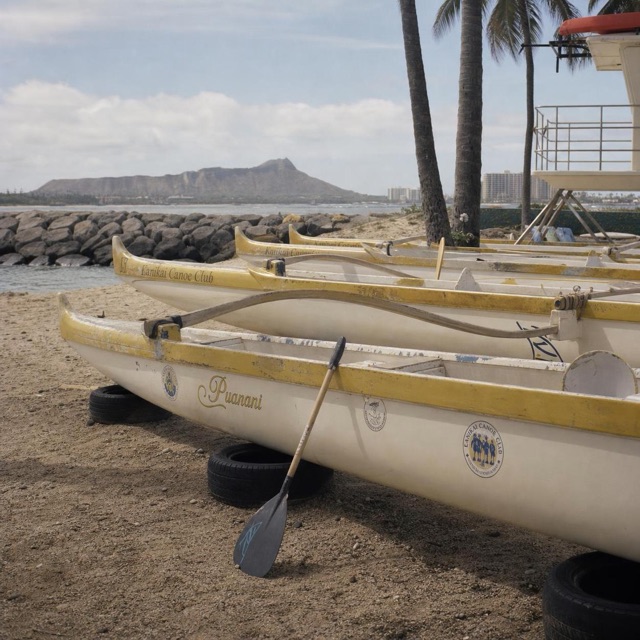
An experienced local canoe operator can introduce paddling technique, communication, and water safety before a structured time on the water.
Outrigger rhythmflip the card →
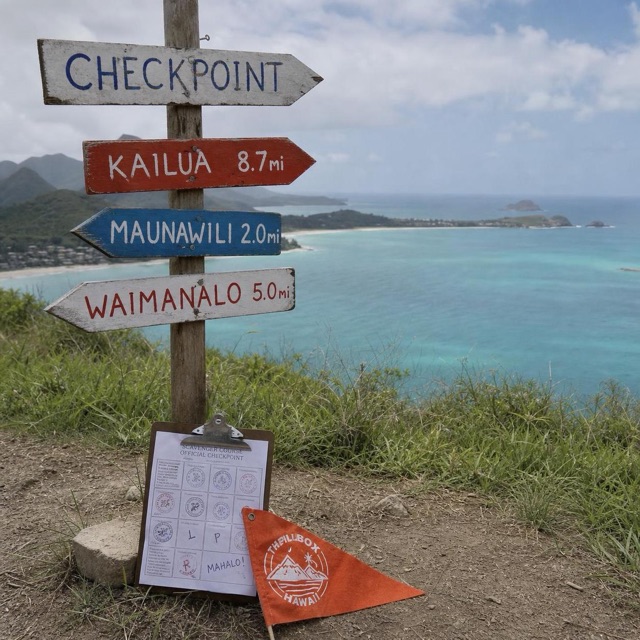
follow the next clueJJOʻAHUA custom sequence of checkpoints can combine observation, problem solving, and movement across a carefully selected Oʻahu route.
Island courseflip the card →
 make time by handJJOʻAHU
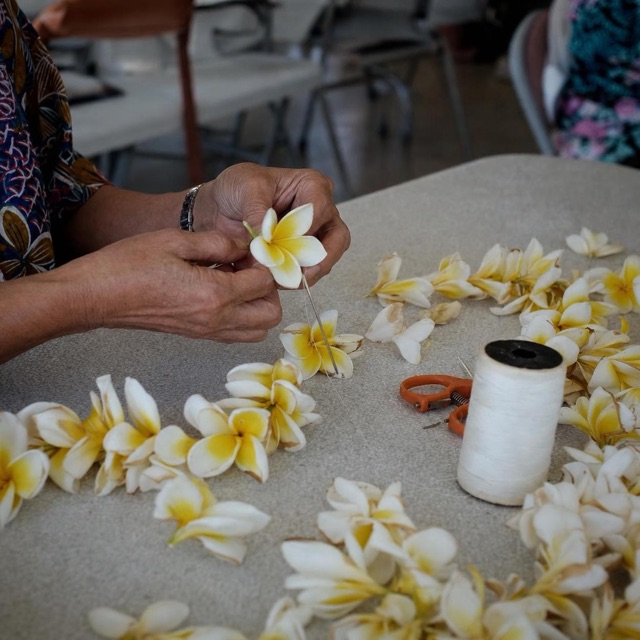
A local cultural practitioner can lead lei making while explaining materials, protocol, and meaning in an unhurried setting.
Lei and conversationflip the card →
 leave room for every paceJJOʻAHU
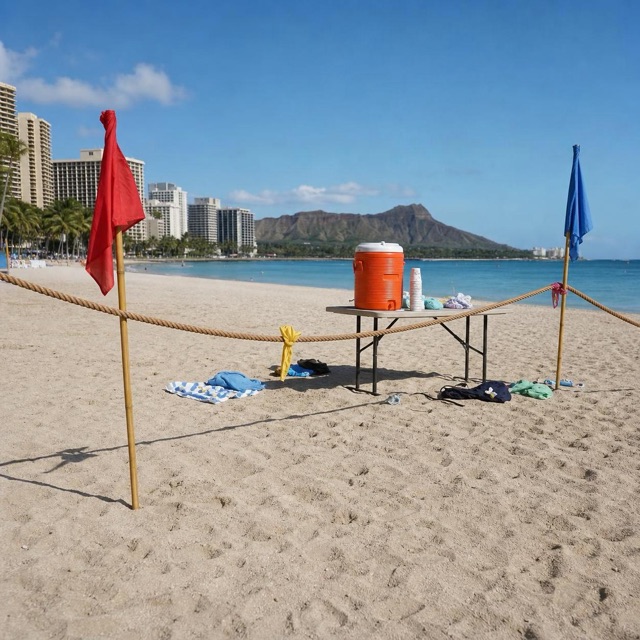
Adaptable shore-based challenges can create friendly momentum without assuming every participant wants the same level of intensity.
Beach collaborationflip the card →
 learn before the tableJJOʻAHU
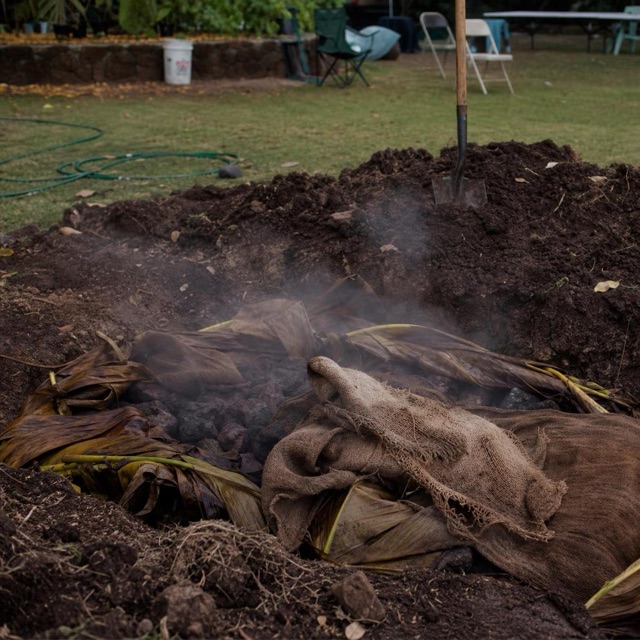
Where a suitable practitioner and site are available, food preparation can become a guided learning experience rather than themed entertainment.
Shared food practiceflip the card →
 listen to the need firstJJOʻAHU
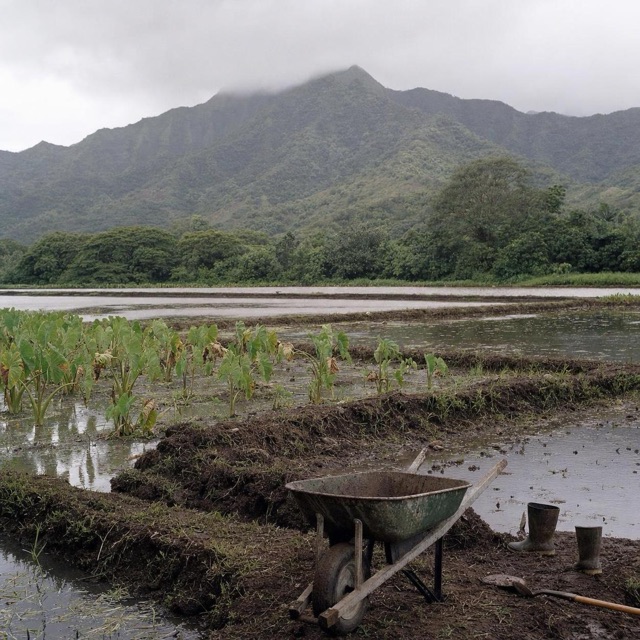
A service opportunity should begin with a host organization’s actual need, capacity, instruction, and preferred group size.
Community-requested serviceflip the card →
The Fit Screen
A beautiful concept is still the wrong concept if it excludes people, misuses culture, or asks an operator to work outside safe conditions.
Name the behavior or relationship the shared experience should support.
Understand mobility, water comfort, language, sensory needs, and desired intensity.
Account for route, travel time, permits, conditions, neighbors, and site stewardship.
Let the qualified local operator or cultural practitioner define how their work is safely and respectfully shared.
What Coordination Covers
Clear preparation allows a team to arrive ready, appropriately dressed, and aware of what is optional. It also gives operators and practitioners the information they need to lead well.
Place It in Context
Connect team building to the wider purpose instead of letting it become an isolated activity block.
No fixed package is presented here. These are illustrative directions that require a suitable operator or practitioner, a confirmed site, and a scope tailored to the group.
Accessibility must be considered before selection, not added afterward. Share mobility, sensory, water-comfort, dietary, and other needs early so we can screen realistic formats and operators.
An appropriate local cultural practitioner leads the cultural knowledge or practice. JJ Signature coordinates the planning conditions and guest hospitality around their guidance.
Potentially, but the host organization’s current need and capacity come first. We do not promise a volunteer format before a local organization defines useful work and confirms the group is a fit.
Weather-sensitive concepts need a decision time, communication path, and realistic alternative. The operator’s safety judgment governs whether an outdoor or water-based experience proceeds.
Yes, if the agenda leaves enough transition time and the experience supports the conference purpose. Transport, attire, guest choice, and re-entry to the main program should be designed together.
Choose With Care
Tell us who is coming, what the session should accomplish, and how it fits the wider program.
Begin Your Journey